Helping Dallas-Fort Worth Families Sell A Home for Aging Parents

Home Renovations Before Selling: Maximize Your DFW Home's Value or Sell As-Is
Here's the question nobody gives you a straight answer on: should you spend $20,000 renovating a home before selling it, or would you be better off selling as-is? The answer depends on your timeline, your budget, and whether your family can afford to wait 4–6 months for a higher sale price. At Sage Senior Support, we help Dallas-Fort Worth families evaluate both options—and we're honest about when each one makes sense.
If you're selling a parent's home to pay for senior care, the renovation question hits differently. You're not flipping a house for profit—you're trying to extract the maximum value from a family home so your mother or father gets the best possible care. The stakes are personal, and the pressure to "do it right" can be paralyzing.
We've walked hundreds of DFW families through this exact decision. Some homes benefit enormously from strategic updates. Others are better sold as-is, especially when care costs are pressing and time is the one thing you don't have. Let's break down what actually works.
Why Renovations Before Selling Can Make Sense
When you have the time, budget, and bandwidth—strategic upgrades can pay for themselves
Increased Resale Value
Targeted renovations can boost your sale price by 10–25% depending on the scope and your DFW submarket. A $15,000 kitchen refresh on a $300,000 home can return $25,000–$40,000 in added value when done right.
Enhanced Market Appeal
Move-in-ready homes attract more buyers, generate more showings, and often receive multiple offers. In competitive DFW neighborhoods, updated homes sell faster and closer to asking price than those needing work.
Faster Sales Process
Buyers who see a home that needs updates often submit lower offers or walk away entirely. A renovated home reduces inspection-related negotiations, appraisal concerns, and the risk of deals falling through—all of which cost time.

HOME RENOVATIONS BEFORE SELLING
Which Renovations Deliver the Best Return on Investment?
Not all renovations are created equal. Some updates return 150%+ of what you spend. Others barely break even—or actually lose money. The key is knowing what today's DFW buyers are willing to pay a premium for, and what they consider table stakes.
We focus our renovation guidance on updates that maximize your home's value without over-investing. Here's what moves the needle most in the current market.
DFW Renovation ROI: What to Prioritize
| Renovation | Typical Cost | Estimated ROI | Impact |
|---|---|---|---|
| Kitchen Refresh (counters, paint, hardware, appliances) | $8,000–$20,000 | 120–170% | Highest impact—buyers decide in the kitchen |
| Bathroom Updates (vanity, fixtures, tile, walk-in shower) | $5,000–$15,000 | 100–150% | Second highest ROI after kitchens |
| Curb Appeal (landscaping, paint, front door, lighting) | $2,000–$8,000 | 150–200% | First impression—often cheapest, highest return |
| Flooring (LVP, hardwood refinish, new carpet) | $4,000–$12,000 | 100–140% | Transforms the feel of every room |
| Interior Paint (neutral tones throughout) | $2,000–$5,000 | 200–300% | Cheapest way to make a home feel new |
| Energy Efficiency (windows, insulation, HVAC) | $5,000–$25,000 | 60–90% | Buyers value it but won't overpay for it |
| Full Gut Renovation | $40,000–$100,000+ | 50–80% | Rarely makes financial sense for resale |
HOME RENOVATIONS BEFORE SELLING
The Difference Strategic Renovations Make
These aren't million-dollar flips. They're practical, targeted updates that transform a dated family home into a property buyers compete for. The kind of work that turns a 90-day listing into a weekend bidding war.
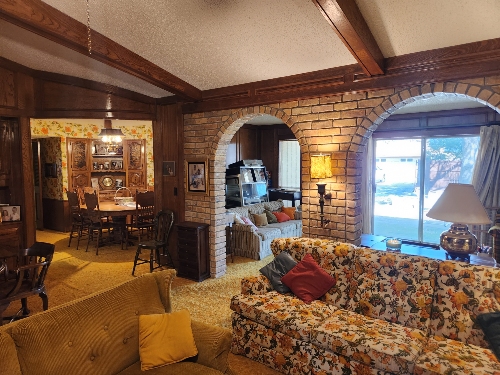

At Sage Senior Support, we can coordinate renovations for families who want to maximize their sale price—or we can purchase the home as-is for families who need speed over top dollar. Either way, we walk you through the numbers so you can make an informed decision.
Understand Your Options: 3 Paths to Selling Your Family's Home
Every family's situation is different. Here are the three approaches we help DFW families evaluate—and we're honest about the tradeoffs of each.
Don't Have Time or Money for Renovations?
When your parent needs care now, every week spent renovating is a week of delayed care. Sage Senior Support buys DFW homes in any condition—no repairs, no waiting.
- Cash offers on homes in any condition—even with major foundation issues
- Close in as few as 10 days to meet care facility deadlines
- Zero commissions, zero closing costs—every dollar goes toward care
- Bridge loans available for move-in deposits while the sale finalizes
- Free senior transition concierge services to help coordinate the entire move

HOME RENOVATIONS BEFORE SELLING
When Renovating Does NOT Make Sense
We'd be doing you a disservice if we didn't say this clearly: renovating before selling is not always the right move. Here are the situations where it often costs families more than it returns.
Your Parent Needs Care Now
If your mother needs assisted living or memory care immediately, spending 3 months renovating means 3 months of inadequate care—or 3 months of paying for a facility out of pocket while the house sits in construction. That math rarely works out.
The Home Has Major Structural Issues
Foundation problems, extensive water damage, mold, or outdated electrical systems can cost $30,000–$80,000+ to fix. Cosmetic renovations on top of structural issues is putting lipstick on a pig. In these cases, selling as-is to a cash buyer typically nets your family more after factoring in renovation costs, carrying costs, and time.
You Live Out of State
Managing contractors from 1,000 miles away while also managing your parent's care transition is a recipe for burnout. Long-distance caregivers consistently tell us that trying to renovate remotely was the most stressful part of the entire process.
The Renovation Budget Would Be Better Spent on Care
If you're choosing between a $15,000 kitchen renovation and 3 months of assisted living for your parent, the care always comes first. That kitchen update might return $20,000—but only 4–6 months from now. Your parent needs care today.

A GUIDING HAND THROUGH UNCERTAIN TIMES
How Sage Senior Support Helps You Decide
Deciding what to do with your parent's home is just one piece of a much bigger puzzle. At Sage Senior Support, we're not here to push you toward the option that benefits us—we're here to help you make the decision that's right for your family.
Every consultation starts with understanding your full situation: your parent's care needs, your timeline, your financial picture, and your emotional bandwidth. From there, we lay out all the options—renovate and list, sell with minor repairs, or sell to us as-is—with honest numbers for each scenario.
If selling to us is the right fit, we handle everything: cash offer within 24 hours, close in as few as 10 days, and free senior transition concierge services to help coordinate care placement, VA benefits discovery, and the move itself. But if renovating first is the smarter play for your family, we'll tell you that too—and help you figure out where to invest for the best return.
Not Sure Which Path Is Right for Your Family?
Download our free guide to paying for long-term care—including how your home equity fits into the bigger financial picture.
Download Your Free Care Funding Guide →Related Resources for DFW Families
Selling a Parent's Home
Complete Guide to Selling a Parent's Home for Care — timing, taxes, and every option available to DFW families.
How to Sell As-Is Without Getting Lowballed — protect your family from predatory buyers and get fair value.
Estate Cleanout in 3 Days — the fast-track guide for overwhelmed families clearing a parent's home.
Navigating the Emotional Journey of Downsizing — because the hardest part isn't the logistics.
Paying for Senior Care
How to Pay for Nursing Home Care — Medicaid, VA benefits, insurance, and every funding source explained.
Medicaid Planning & Asset Protection — what to know before selling if Medicaid may be needed.
How Families Are Actually Funding Senior Living — real strategies from real families navigating rising costs.
Senior Care Cost Calculator — estimate the true cost of care for your specific situation.
Frequently Asked Questions: Home Renovations Before Selling
It depends on three factors: your timeline, the home's current condition, and your budget. If you have 4–6 months and $10,000–$30,000 to invest, targeted renovations (kitchen, bathrooms, curb appeal) can return 120–200% of what you spend. But if your parent needs care now, spending months on renovations delays care funding and adds carrying costs. In those cases, selling as-is—either to a cash buyer like Sage or on the open market with realistic pricing—often nets your family more when you factor in time, stress, and total costs.
In the Dallas-Fort Worth market, interior paint (200–300% ROI), curb appeal improvements (150–200% ROI), and kitchen refreshes (120–170% ROI) consistently deliver the best returns. Bathroom updates and flooring replacements are close behind. Avoid expensive structural work or full gut renovations for resale—they rarely recoup their costs. Read our detailed renovation ROI guide for specific recommendations based on home type and neighborhood.
A basic cosmetic refresh (paint, flooring, hardware, landscaping) typically costs $5,000–$15,000. A moderate renovation targeting kitchens and bathrooms runs $15,000–$35,000. A full renovation can exceed $50,000–$100,000+. The key is matching your investment to the home's value and your neighborhood's price ceiling—spending $40,000 renovating a home in a $250,000 neighborhood rarely makes sense. Sage Senior Support can help you evaluate the numbers for your specific situation.
Absolutely. In Texas, you can sell a home in any condition—you just need to disclose known material defects. Sage Senior Support purchases DFW homes as-is with cash offers and no requirement for repairs, cleaning, or staging. We buy homes with foundation issues, water damage, outdated systems, hoarding situations, and everything in between. Even homes with major foundation problems can be sold quickly for cash.
If your parent needs assisted living or memory care within the next 30–60 days, renovating almost never makes sense. The renovation timeline (1–3 months), plus the listing-and-selling timeline (2–4 months), means you're looking at 3–7 months before you see any money—all while paying carrying costs on the empty home AND care facility costs for your parent. Selling as-is for cash provides funds in 10–21 days, eliminating months of double expenses. Learn more about how families are funding care.
Yes. We offer a flexible approach based on your family's needs. For families with time, we can coordinate renovation work through our contractor network to maximize the home's resale value—you'd then sell on the open market for top dollar. For families who need speed, we purchase the home as-is for cash. And for everyone, we provide free senior transition concierge services to help with care placement, benefits discovery, and coordinating the move. Contact us to discuss which approach makes sense for your situation.
The renovation itself doesn't affect Medicaid eligibility—but the timing and use of sale proceeds absolutely can. Medicaid has a 5-year lookback period and specific rules about how home sale proceeds must be used. If your parent may need Medicaid for long-term care, consult an elder law attorney before investing in renovations or selling the home. The strategy that maximizes sale price isn't always the strategy that protects Medicaid eligibility. Learn about Texas Medicaid estate recovery.
Let's Figure Out the Right Path for Your Family
Call Logan for a free, honest consultation. We'll help you evaluate whether renovating, listing as-is, or selling for cash makes the most sense for your specific situation.
📞 (817) 968-3595Or schedule online · Get a cash offer · View all FAQs · Browse Resources
By using our websites and any content you agree to the terms of use and will not hold Sage Senior Support responsible for any results or lack thereof.
Facebook
Instagram
LinkedIn
Youtube
TikTok