
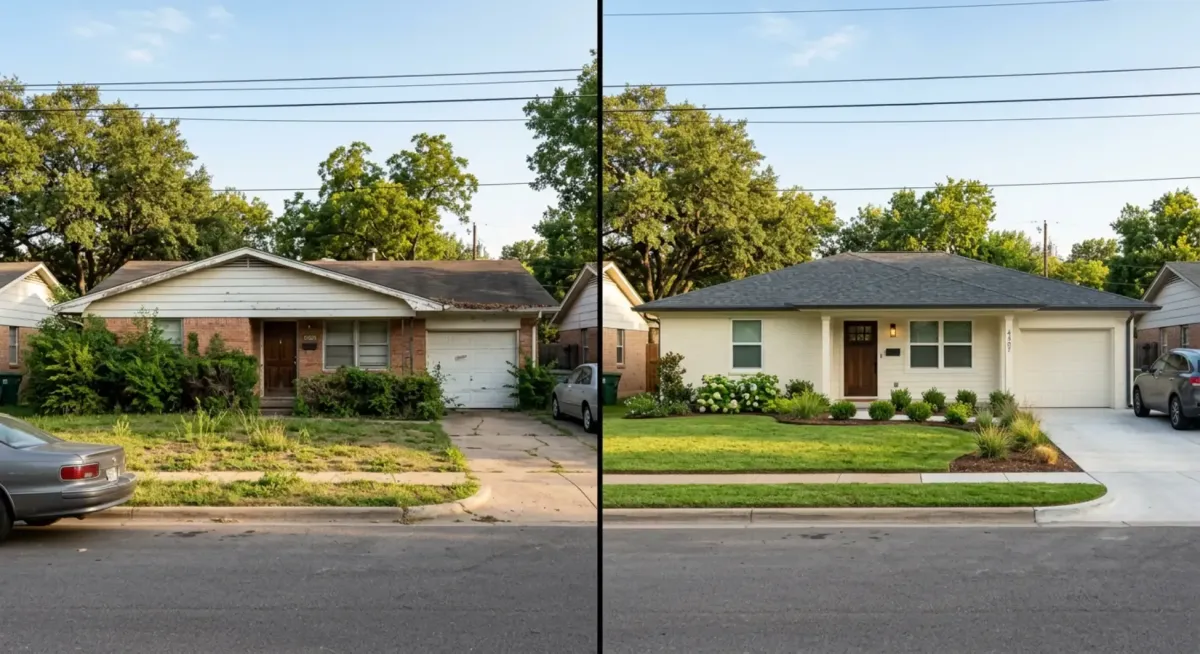
Sell House Fast with Cash Buyers Directory and Investment Companies
How to Sell a House Fast with Cash Buyers: A Real Guide for Families Navigating Senior Transitions
What no one tells you about cash buyer directories, investment companies, and finding a fair deal when time isn't on your side.
You didn't plan for this moment. Maybe your mom had a fall and the doctor said she can't go back home alone. Maybe your dad's memory has gotten to the point where the family finally had to make the call — assisted living, memory care, a safer place. And now, on top of everything you're already carrying emotionally, someone in the family said the words that feel like a whole new mountain: "We need to figure out what to do with the house."
You've probably started searching. Maybe you typed something like "sell house fast cash buyers" or "investment companies that buy homes" into Google and found a dizzying list of websites, all promising the fastest close, the fairest offer, the easiest process. And now you're sitting there wondering: who can I actually trust? Is this going to be a lowball situation? Will someone take advantage of us when we're already stretched so thin?
Those are exactly the right questions to be asking. And this guide is going to answer them honestly — not with a sales pitch, but with the kind of real information that helps you make a decision you'll feel good about later.
📋 Key Takeaways
- Cash buyer directories and investment companies are not all the same — understanding the differences protects your family from pressure tactics and unfair offers.
- Selling fast doesn't have to mean selling cheap. Transparency, education, and the right buyer can get you both speed and fairness.
- Most families in senior transitions have more options than they realize — from direct cash sales to listing with an agent to hybrid approaches.
- The condition of the home matters less than you think when working with the right buyer. You don't have to clean out, repair, or stage anything.
- Proceeds from the home sale are often the primary way families fund assisted living or memory care — understanding your timeline matters for care planning.
- Red flags in the cash buyer world are real and identifiable. Knowing what to look for keeps your family protected during a vulnerable time.
- In the Dallas-Fort Worth area, local buyers who specialize in senior transitions offer something national platforms simply can't: genuine human support through the whole process.
Why Families in Senior Transitions Turn to Cash Buyers in the First Place
There's a reason you're looking at cash buyers rather than just calling a traditional real estate agent and listing the home the conventional way. It's not because you haven't thought it through. It's because your situation is different from someone who is simply moving to a bigger house or relocating for a job.
When a parent is transitioning into assisted living or memory care, the home sale isn't just a financial transaction — it's often the primary way the family pays for care. Assisted living in Texas can run anywhere from $3,500 to $6,500 per month or more depending on the level of care needed. Memory care facilities often start even higher. The clock isn't just ticking on paperwork — it's ticking on your parent's safety and comfort.
Traditional listings take time. The average home in the Dallas-Fort Worth area spends weeks on the market before receiving an accepted offer, and then another 30 to 45 days to close through conventional financing. Add in the time needed to prepare the home — decluttering decades of belongings, making repairs, staging, showing — and you're looking at a process that can stretch to three or four months before a family sees a single dollar.
For families in crisis mode, that timeline simply doesn't work. The care facility has a move-in date. The family can't keep paying the mortgage and the care facility simultaneously for months. Someone has to travel back and forth to manage the property. The emotional weight of leaving a parent's home in limbo while they're adjusting to a new place adds a layer of grief that no one needs.
You're not wrong to feel the urgency. When care decisions and financial decisions collide at the same time, the pressure is real. Wanting to sell quickly isn't impatience — it's practical. The question isn't whether to sell fast, it's how to do it without being taken advantage of in the process.
Cash buyers — whether individual investors, investment companies, or iBuyers — can close in as few as 7 to 14 days in many cases, or on whatever timeline works for your family. No showings. No repairs. No waiting on a buyer's mortgage approval to come through. For a family navigating a senior transition, that speed can be the difference between a manageable process and a completely overwhelming one.
But not all cash buyers are created equal. And that's where the real conversation begins.
What Is a Cash Buyer Directory — and Should You Use One?
If you've searched for ways to sell your parent's home quickly, you've almost certainly come across what are commonly called "cash buyer directories." These are online platforms — sometimes national, sometimes regional — that aggregate investors and investment companies who are actively looking to purchase homes for cash. Think of them as a marketplace: you submit your property information, and buyers from the directory reach out with offers.
Some well-known examples include platforms like HomeVestors (the "We Buy Ugly Houses" franchise), Opendoor, Offerpad, and various regional "we buy houses" networks. There are also lead aggregation sites that collect your information and sell it to multiple investors simultaneously — meaning you might submit one form and receive calls from a dozen different buyers within hours.
The appeal is obvious: you get multiple offers quickly, which theoretically creates competition and drives up the price. In practice, the experience is more complicated than that.
How cash buyer directories actually work: Most directory-based platforms are lead generation businesses first. When you submit your information, you're not just getting matched with buyers — you're becoming a lead that the platform monetizes. Some platforms sell your contact information to multiple investors simultaneously, which is why families often report being flooded with calls after submitting a single form. The investors who respond are often working from the same playbook: make a quick offer, create urgency, and close before the seller has time to compare options.
That doesn't mean directories are inherently bad. They can be a useful starting point for understanding what the cash buyer market looks like in your area. But there are important things to understand before you submit your parent's address to any platform.
First, the offers you receive through directories are almost always calculated using a formula based on the estimated after-repair value (what the home would be worth once updated and move-in ready) minus the cost of repairs, minus the investor's profit margin. This is a legitimate way to price a cash offer — but the problem is that families rarely know how that number was calculated, which makes it impossible to evaluate whether it's fair.
Second, directory-based buyers are often volume-focused. They're making dozens of offers every week. They don't know your family's story, they don't know that the house was your dad's pride and joy for 40 years, and they're not equipped to help you navigate the care transition alongside the home sale. For many families in senior transitions, that missing human element makes the whole experience feel cold and transactional at exactly the moment when warmth and understanding matter most.
Third — and this is important — the fastest offer is not always the best offer. Pressure tactics that create artificial urgency ("this offer expires in 24 hours") are a red flag, not a feature. A legitimate cash buyer who specializes in senior transitions will give you time to think, compare, and make a decision that feels right for your whole family.
Trying to figure out all your options for selling Mom or Dad's home? Our free resource guide walks through every path available to families in senior transitions — from listing to direct sale to hybrid approaches.
Get Senior Living Resources NowInvestment Companies That Buy Houses: The Spectrum from Predatory to Genuinely Helpful
The term "investment company" covers a wide range of buyers, and understanding the spectrum is critical before you engage with any of them. Not all investors are looking to take advantage of you — but some absolutely are, and the ones who do tend to target families in exactly the kind of vulnerable situation you may be in right now.
Let's break down the main categories you'll encounter:
Large National iBuyers
Companies like Opendoor and Offerpad use algorithmic pricing to generate instant offers. They're legitimate, well-funded companies with transparent processes. The trade-off is that their offers tend to be conservative (they're pricing in uncertainty at scale), and their process is entirely automated — you're not talking to a person who understands your situation, you're interacting with a platform. For a family in the middle of a senior care crisis, the lack of human support can be a significant drawback.
National Franchise Buyers
Franchises like HomeVestors operate through local franchisees who buy homes under a national brand. The quality and ethics of these buyers varies significantly by franchisee. Some are excellent — professional, fair, and genuinely helpful. Others prioritize volume and speed over relationship. The national brand doesn't guarantee consistent standards at the local level, so doing your homework on the specific local operator matters.
Local Independent Investors
This category is the most variable. Local investors range from highly ethical, community-focused buyers who genuinely care about the families they work with, to opportunistic buyers who use high-pressure tactics and obscure their pricing. The key differentiator is transparency and relationship. A good local investor will walk you through exactly how they calculated their offer, give you time to compare options, and be honest about whether their offer is the right fit for your family's situation.
Senior Transition Specialists
This is a smaller, more specialized category — buyers who have built their entire business model around supporting families through senior transitions specifically. They understand the care planning side of the equation, often have relationships with placement agents, elder law attorneys, and care coordinators, and approach the home sale as one piece of a larger family support process. If you're navigating a parent's move into assisted living or memory care, this type of buyer offers something the others simply can't: they get it, because they've often lived it themselves.
⚠️ Red Flags to Watch For With Any Cash Buyer: Be cautious of any buyer who pressures you to sign within 24-48 hours, refuses to explain how they calculated their offer, asks you to sign documents you haven't had time to review, discourages you from getting a second opinion, or makes verbal promises that aren't reflected in the written contract. A legitimate buyer welcomes your questions and gives you space to make a thoughtful decision.
How Cash Offers Are Calculated — and How to Know If Yours Is Fair
One of the most disempowering feelings families describe when dealing with cash buyers is receiving a number and having no idea whether it's reasonable. The offer just appears — sometimes within minutes of submitting a form — with no explanation of how it was derived. That opacity is often intentional, because a buyer who explains their math is a buyer who can be challenged on it.
Here's the basic framework most cash buyers use, and what you should understand about each piece:
Post-Renovation Value (PRV): This is what the home would sell for on the open market if it were fully updated and move-in ready. A legitimate buyer will share comparable sales in your neighborhood to support this number. If they won't show you the comparable sales they're using, that's a problem.
Estimated Renovation Costs: The buyer will estimate what it will cost them to bring the home to market-ready condition. This includes everything from cosmetic updates to major repairs. A transparent buyer will walk you through their repair estimate line by line if you ask. Vague, inflated repair estimates are one of the most common ways buyers artificially lower their offers.
Holding and Transaction Costs: After buying your home, the investor will hold it for some period of time while renovating and then selling it. During that time, they're paying property taxes, insurance, utilities, and financing costs. These are legitimate expenses that factor into any offer.
Investor Profit Margin: The buyer needs to make money — that's how they stay in business. A reasonable profit margin for a cash buyer is typically in the range of 10-15% of the post-renovation value. Margins significantly higher than that start to look like the buyer is prioritizing their return over fairness to your family.
When you add all of these together, a fair cash offer typically comes in somewhere between 70-85% of the home's post-renovation value, depending on the condition of the property and local market conditions. An offer significantly below 70% deserves a detailed explanation — and if the buyer can't provide one, it's worth getting a second opinion.
💡 Insider Tip: Always Ask for the Math
Before accepting any cash offer, ask the buyer to walk you through their neighborhood value report — the comparable sales they used to determine what the home is worth in updated condition. Then ask for their repair estimate in writing. Any legitimate buyer will provide both without hesitation. If they're evasive or tell you "that's just how we price," that tells you everything you need to know.
It's also worth understanding what you're actually saving by selling to a cash buyer versus listing traditionally. When you list a home on the open market, you're typically paying 5-6% in real estate commissions, plus closing costs, plus the cost of any repairs or updates needed to attract buyers, plus carrying costs during the listing period. When you add all of that up, the net proceeds from a traditional listing are often closer to a cash offer than families initially expect — especially for homes that need significant work.
The real value of a cash sale isn't just in the offer price — it's in the certainty, the speed, and the elimination of the months of stress that come with a traditional listing process. For a family in the middle of a senior care transition, that peace of mind has real value that doesn't show up in a spreadsheet comparison.
Wondering how the proceeds from selling your parent's home can help cover care costs? Our guide to paying for long-term care walks through every funding option available to families in the DFW area.
Get The Guide To Pay For Long-Term CareThe Real Options Families Have When Selling a Parent's Home
One of the most important things we believe at Sage Senior Support — and something that sets us apart from most buyers in this space — is that we're not here to steer you toward any single option. We're here to make sure you understand all of them. Because the best choice for your family depends on your specific situation, your timeline, the condition of the home, and what matters most to you right now.
Here's an honest breakdown of the paths available to most families:
Option 1: Direct Sale to a Cash Buyer
You sell the home directly to an investor or investment company for cash, as-is. No repairs, no showings, no waiting on financing. Close in as few as 7-30 days, or on whatever timeline works for your family's care transition. This is often the right choice when the home needs significant work, when the family is geographically dispersed and can't manage a traditional listing, or when the care timeline is urgent and you need funds quickly.
Option 2: List with a Trusted Real Estate Agent
If the home is in good condition or needs only minor updates, listing with a real estate agent who has experience with senior transitions can sometimes net a higher sale price. The trade-off is time — typically 60-120 days from listing to closing — and the effort required to prepare the home for market. This option works best when the family has time, the home is in relatively good shape, and maximizing the sale price is the top priority.
Option 3: Renovate and List for Maximum Value
In some cases, investing in targeted renovations before listing can significantly increase the sale price beyond the cost of the improvements. This option requires the most time and upfront investment, and it's not right for every situation — but for families who have the runway and the home has strong bones, it can be worth exploring with the right contractor and agent.
Option 4: Rent the Property
If the family isn't ready to sell and the home is in rentable condition, converting it to a rental property can generate monthly income to help offset care costs. This option works best when the family has a local property manager they trust and when the home doesn't require significant repairs to be habitable. It's worth noting that being a landlord during an already stressful time adds complexity — it's not the right fit for every family.
Option 5: Hybrid Approaches
Sometimes the best path combines elements of multiple options. For example, a buyer might purchase the home and allow the family a grace period to remove belongings before closing, or structure a delayed closing that aligns with the parent's move-in date at a care facility. A buyer who specializes in senior transitions will often be flexible in ways that a traditional buyer or iBuyer simply won't be.
A Story That Might Sound Familiar
Linda and her husband had lived in their home for 30 years. She was in the middle of cancer treatment. He was losing mobility. Their home was cluttered, outdated, and they were embarrassed to let anyone see it — but they needed to move into assisted living quickly, and they needed the proceeds from the home to make it happen.
They were convinced no one would want the house the way it was. They assumed they'd have to spend months cleaning it out, making repairs, and going through the stress of showings while Linda was still in treatment.
Within 30 days, they sold directly, closed early to help with care costs, and moved into their new senior apartment without packing a single box, making a single repair, or hosting a single showing. They left behind what they couldn't take. The sale gave them both peace of mind and financial relief during one of the hardest seasons of their lives.
What changed wasn't the house. What changed was finding a buyer who understood that this wasn't just a real estate transaction — it was a family in the middle of a crisis that needed support, not pressure.
What to Look for in a Cash Buyer When You're in a Senior Transition
Not every cash buyer is equipped to support a family through a senior transition. Most investors are real estate professionals first — they understand markets, renovation costs, and deal structures. What they often don't understand is what it feels like to be the adult child who is simultaneously managing a parent's care, sorting through 40 years of belongings, coordinating with siblings across three time zones, and trying to figure out how to pay for a memory care facility that costs more per month than your first mortgage.
When you're evaluating cash buyers in the Dallas-Fort Worth area, here are the qualities that actually matter for families in your situation:
- They ask about your parent first, not the house. The first conversation with a buyer who specializes in senior transitions should start with understanding your family's situation — your parent's care needs, your timeline, what's most stressful right now. If the first question is "what's the address?" that tells you where their priorities are.
- They explain their offer with full transparency. A trustworthy buyer will show you the comparable sales they used, walk you through their repair estimate, and explain exactly how they arrived at their number. No mystery, no pressure, no "take it or leave it."
- They present all your options, not just theirs. A buyer who genuinely has your family's interests at heart will tell you honestly if listing with an agent might net you more money, or if there's a different path that better fits your situation — even if it means they don't get the deal.
- They have a network that goes beyond real estate. The best buyers in this space have relationships with senior placement agents, elder law attorneys, estate sale companies, and care funding specialists. They can connect you with resources that make the entire transition easier, not just the home sale piece.
- They give you time and space to decide. There's no legitimate reason a cash buyer needs a decision in 24 hours. A buyer who creates artificial urgency is prioritizing their deal over your family's wellbeing.
- They have real references from families in similar situations. Ask for testimonials or references from families who sold a parent's home through them. The stories they share should sound like yours — overwhelmed, uncertain, and ultimately relieved.
A Note on Personal Connection: At Sage Senior Support, our approach to this work comes directly from our own family's experience navigating Alzheimer's and caregiving. We know what it feels like to be on your side of this conversation — the guilt, the grief, the logistical overwhelm. That's not a marketing line. It's why we built this business the way we did. Every family we work with gets the kind of support we wish we'd had when we were going through it ourselves.
The Emotional Weight No One Talks About When Selling a Parent's Home
There's a conversation that happens in almost every family before the home sale process begins, and it rarely gets talked about openly. It's the conversation about guilt.
Guilt about moving a parent out of the home they built. Guilt about selling the place where holidays were celebrated and children were raised. Guilt about not being able to manage everything yourself. Guilt about accepting a cash offer that feels like it might be "less than the house deserves." Guilt about wanting the process to be over quickly so you can focus on your parent's care instead of a real estate transaction.
If any of that resonates, you're not alone. It's one of the most consistent things we hear from families. And it's worth naming directly, because that guilt — when it goes unaddressed — often leads families to make decisions that aren't actually in their best interest.
Some families delay the sale for months, hoping things will stabilize, while their parent is in a care facility that's draining savings faster than expected. Others insist on a traditional listing and months of showings because it feels like they're "doing right by" the home — even when the stress of that process is making an already hard situation harder. Others chase the highest possible offer number because accepting anything less feels like they're not honoring what the home meant to their family.
Here's what we've learned from working with families through this: the home sale that honors your parent isn't the one that gets the highest number. It's the one that gets your family to the other side with less stress, more certainty, and the financial resources to give your parent the care they deserve. That's what "doing right by" the home actually looks like.
"We didn't get the highest offer, but we trusted you because you took the time to explain everything." — Darla, inherited home sale
Darla's words capture something important. The goal isn't to squeeze every last dollar out of a transaction. The goal is to feel good about how it was handled — to feel heard, respected, and supported through a process that is genuinely hard. That's what the right buyer makes possible.
How the Process Works When You Work with a Senior Transition Specialist in DFW
For families in the Dallas-Fort Worth area, working with a local buyer who specializes in senior transitions looks very different from submitting a form to a national directory. Here's what the process actually looks like, step by step:
Step 1: A Real Conversation — Starting with Your Family
The first call isn't about the house. It starts with, "How's Mom or Dad doing?" We listen to understand your parent's care situation, your family's timeline, and what's weighing on you most. We share local resources — placement agents, elder law attorneys, care funding options — because the home sale is one piece of a larger puzzle, and we want to make sure you have support for all of it.
Step 2: Discussing the Home When You're Ready
Once you feel supported and understood, we talk about the home — its condition, what needs to happen, and what your options look like. We present all of them honestly, including options that don't involve selling to us directly. You deserve to understand the full picture before making any decisions.
Step 3: An In-Person Visit with Full Transparency
We visit the home to assess it fairly. We walk through it with you, explain what we're looking at, and share our thinking openly. There's no mystery about what we see or how it affects our offer. You'll understand exactly what we're basing our numbers on.
Step 4: A Clear, Transparent Offer
We present our offer with a full explanation — the comparable sales we used, our repair estimates, and how we arrived at the number. We answer every question you have. We give you time to compare it against other options. We never pressure you to decide on our timeline.
Step 5: A Closing That Works for Your Family
If you choose to move forward, we close on a timeline that works for your family's care transition — not ours. We handle the details. You focus on your parent. The proceeds are available to fund care, and the house is no longer something you have to worry about.
The difference between this process and a directory-based cash buyer isn't just procedural. It's the difference between being treated like a transaction and being treated like a family that deserves real support during one of the hardest transitions you'll ever navigate.
Not sure where to start with your parent's care transition? A care plan assessment helps you see the full picture — care options, financial resources, and how the home fits into it all.
Get Clarity With A Care AssessmentWhat Happens to Everything Inside the House?
This is one of the questions families ask most often, and it's one that rarely gets addressed in the standard "sell your house fast" content you'll find online. The house isn't just a building — it's full of 40 years of life. Furniture, photographs, clothing, collections, paperwork, sentimental items, and a lot of things that don't fit neatly into any category.
When you sell to a cash buyer, you typically have the option to leave behind anything you don't want to take. You don't have to stage the home, you don't have to rent a dumpster, and you don't have to spend weekends sorting through your parent's belongings under deadline pressure. The buyer handles the cleanout as part of their renovation process.
That said, there are often items that need more careful handling — things with sentimental or financial value that the family wants to keep or sell. A good buyer will give you adequate time to go through the home at your own pace before closing, and will connect you with estate sale professionals if there are items worth selling separately.
Before You Close: What to Think About Inside the Home
- Take photographs of sentimental items before anything is moved or donated
- Identify any items of significant financial value (jewelry, art, collectibles) for separate appraisal
- Gather important documents: deeds, financial records, medical records, insurance policies
- Coordinate with siblings or other family members about items they want to keep
- Ask your buyer about their timeline for cleanout — make sure you have enough time
- Consider an estate sale company for items with value that the family doesn't want to keep
- Don't feel obligated to take everything — leaving behind what you don't need is okay
The emotional weight of going through a parent's belongings is real and significant. Give yourself permission to take your time with the items that matter, and let go of the obligation to handle everything perfectly. The goal is to support your parent's transition — not to achieve a perfect cleanout under impossible circumstances.
Comparing Your Options: A Practical Framework for DFW Families
To help you think through which path makes the most sense for your family's situation, here's a straightforward comparison of the main options available to families selling a parent's home in the Dallas-Fort Worth area:
| Option | Timeline to Close | Repairs Required | Effort Level | Best For |
|---|---|---|---|---|
| Senior Transition Specialist (Cash) | 7–30 days | None | Very Low | Urgent care timelines, overwhelmed families, homes needing work |
| National iBuyer (Opendoor, etc.) | 14–45 days | Minor or none | Low | Homes in good condition, families comfortable with automated process |
| Traditional Listing with Agent | 60–120 days | Often required | High | Homes in good condition, families with time and energy for the process |
| Renovate Then List | 90–180 days | Extensive | Very High | Families with capital, time, and a home with strong renovation upside |
| Convert to Rental | Ongoing | Variable | Ongoing | Families not ready to sell, homes in rentable condition, long-term income need |
There's no universally right answer here. The right choice depends on your family's specific circumstances — your parent's care timeline, the condition of the home, your family's capacity to manage a longer process, and what matters most to you right now. What we can tell you is that understanding all your options before committing to any one of them is always the right first step.
Frequently Asked Questions About Selling a House Fast with Cash Buyers
Is selling to a cash buyer always going to get me less money than listing on the open market?
Not necessarily, and the comparison is more nuanced than most people realize. When you list traditionally, you're paying 5-6% in real estate commissions, plus closing costs, plus the cost of any repairs or updates needed to attract buyers, plus carrying costs during the listing period — which in DFW can be several months. When you subtract all of those costs from a traditional sale price, the net proceeds are often much closer to a cash offer than the headline numbers suggest. A transparent cash buyer will help you run this comparison honestly so you can make an informed decision rather than chasing a number that looks bigger on paper but ends up being smaller in your pocket.
What if my parent's home is in really poor condition — will anyone make a fair offer?
Yes, and this is actually one of the strongest use cases for selling to a cash buyer. Investors who specialize in buying homes as-is are experienced at evaluating properties in all conditions — outdated kitchens, deferred maintenance, foundation issues, hoarding situations, you name it. The condition of the home affects the offer price (because it affects renovation costs), but it doesn't disqualify the home from a fair cash sale. In fact, homes in poor condition are often the worst candidates for a traditional listing, where buyers with conventional financing may struggle to get the property to appraise or pass inspection. A cash sale sidesteps all of that complexity entirely.
How quickly can we actually close if we need funds urgently for care costs?
With a legitimate cash buyer, closing in 7-14 days is genuinely possible in many cases — sometimes faster if all parties are motivated and the title work is straightforward. More typically, families close within 2-4 weeks of accepting an offer. Some buyers, particularly those who specialize in senior transitions, will also work with you on a partial early closing or advance arrangement if you need funds before the full closing date. This is worth asking about directly if your parent's care facility has a specific move-in date or deposit requirement that's time-sensitive.
What should I do if I receive multiple cash offers — how do I compare them fairly?
Don't compare cash offers based solely on the offer price. Ask each buyer to provide their neighborhood value report (the comparable sales they used to determine post-renovation value), their repair estimate in writing, and a breakdown of any fees or deductions. This allows you to compare apples to apples. Also pay attention to the terms beyond price: closing timeline flexibility, who pays closing costs, whether there are any contingencies, and what happens to the contents of the home. A slightly lower offer from a buyer who gives you 30 days to remove belongings and covers all closing costs may net you more — and far less stress — than a higher offer with unfavorable terms.
Do I need a real estate attorney to sell to a cash buyer?
In Texas, real estate attorneys are not required for home sales the way they are in some other states — transactions are typically handled through title companies. That said, if the home is part of an estate, if there are multiple heirs, or if there are any title complications, having an elder law attorney or estate attorney involved is strongly recommended. A reputable cash buyer will encourage you to have legal representation if your situation warrants it, and will not pressure you to skip steps that protect your interests. If a buyer discourages you from consulting an attorney, that is a significant red flag.
What if my siblings and I can't agree on whether to sell — how do we move forward?
Family disagreements about selling a parent's home are extremely common, and they're one of the most emotionally charged aspects of the entire process. The most helpful thing you can do is make sure everyone has the same information — a shared understanding of the home's realistic value, the costs and timeline of different selling options, and the care funding implications of each path. A buyer who specializes in senior transitions can often facilitate a family conversation that helps everyone get on the same page, because they've navigated this dynamic many times before. If there are legal complications — for example, if one sibling has power of attorney and others disagree — an elder law attorney should be involved before any decisions are made.
You Don't Have to Figure Out Mom or Dad's House Alone
We know you're carrying a lot right now — the care decisions, the logistics, the emotional weight of a transition no one fully prepares you for. The home is one piece of that, and it doesn't have to be the hardest one. We're here to walk through every option with you, answer every question honestly, and make sure you feel clear and supported before you make any decisions. No pressure, no rush, no mystery. Just a real conversation about what's best for your family.
Schedule a Free Consultation