
Best Way to Sell a Parent's Home Fast Without Repairs to Fund Memory Care in Fort Worth
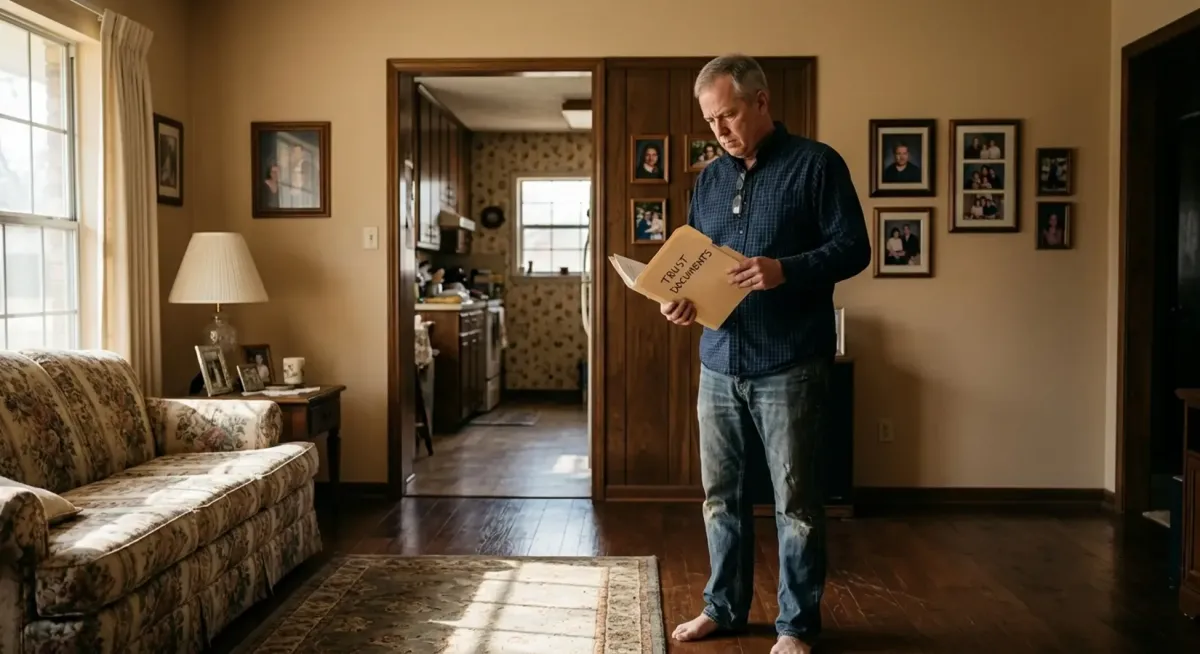
The call comes on a Tuesday afternoon. Your mom fell again, and the doctor says it's time—she can't safely live alone anymore. You hang up the phone and sit there for a moment, trying to process two enormous problems at once: finding her the right assisted living community, and figuring out what to do with the house she's lived in for 35 years. The one full of furniture, photographs, and decades of accumulated life. The one with the cracked foundation you've been meaning to fix. The one that suddenly needs to become money—real money, fast—to help pay for her care.
If you're reading this, you're probably in some version of that moment. And the question burning in your mind is: Can I actually sell this house fast for cash in Fort Worth, get a fair price, and not get taken advantage of in the process?
The honest answer is yes—but only if you understand how the process actually works, who you're dealing with, and what questions to ask. This guide is designed to walk you through every piece of that puzzle, from understanding what cash offers actually look like in the Fort Worth market to spotting the red flags that separate legitimate buyers from predatory ones. We're going to talk real numbers, real options, and real protections. No pressure, no sales pitch—just the information you need to make a confident decision during one of the hardest seasons your family will ever navigate.
📋 Key Takeaways: Selling Your Fort Worth Home Fast for Cash
- Cash offers in Fort Worth typically run 10–25% below retail market value—but when you factor in carrying costs, repairs, commissions, and the time your parent needs care funding, a cash sale often makes strong financial sense.
- Fort Worth's median home price hovers around $375,000–$400,000 in 2026, with significant neighborhood variation; cash buyers price in repair costs, holding costs, and profit margin—understanding this helps you evaluate offers intelligently.
- There are multiple types of cash buyers (iBuyers, local investors, wholesalers, mission-driven buyers)—each with different offer structures, timelines, and levels of transparency. Knowing the difference protects you.
- Texas law requires sellers to complete a Seller's Disclosure Notice (TREC OP-1) even in as-is sales. Failure to disclose known defects can expose you to liability under the Texas Deceptive Trade Practices Act.
- Hidden costs—unpaid property taxes, HOA dues, estate attorney fees, junk removal, reverse mortgage payoffs—can significantly reduce your net proceeds. Always calculate true net, not just offer price.
- Probate, inherited homes, and Medicaid spend-down considerations each add complexity. Connecting with an elder law attorney before signing anything is strongly advised.
- Always get 3–5 competing offers, ask for written net proceeds estimates, verify business registration, and check complaint history before committing to any buyer.
Why Fort Worth Families Are Selling Homes Fast for Cash Right Now
This isn't a niche trend. Across Fort Worth and the broader DFW metro, thousands of families are navigating exactly what you're facing—and the numbers explain why cash sales have become such a common path forward.
Fort Worth's population was projected to approach 978,000 in 2025, with the Dallas-Fort Worth-Arlington metro exceeding 8.2 million residents. That kind of sustained growth creates consistent housing demand, which means cash buyers remain active even as the market has shifted from the frenzy of 2021–2022 toward a more balanced environment. There are still motivated buyers out there—they're just pricing more conservatively than they were three years ago.
The aging Baby Boomer population is a major driver of this trend. A significant portion of Fort Worth seniors own their homes outright or carry minimal mortgage debt, which means the home is often the family's largest asset—and the most logical source of funds when care costs arrive. And those costs are not small. Assisted living in Fort Worth currently runs $4,500–$6,000 or more per month in 2026, with memory care running even higher. When you understand the true cost of assisted living in Fort Worth, the urgency around selling quickly becomes completely understandable—every month of delay is another $4,500–$6,000 out of pocket.
There's also a practical reality specific to North Texas: clay soil. The expansive clay soils throughout the Fort Worth area are notorious for causing foundation movement, and many older homes—particularly those built before 1990 in neighborhoods like Wedgwood, Fairmount, and Riverside—have some degree of foundation issues. Traditional buyers using financing often can't purchase homes with significant foundation problems without repairs being completed first. Cash buyers, who are used to purchasing as-is, fill that gap.
If you're in the middle of navigating the senior living transition and trying to organize everything at once, know that you're not alone in feeling overwhelmed. This is genuinely hard, and the families who come through it best are the ones who take time to understand their options before making any decisions.
You're Not Alone in This Situation
Thousands of Fort Worth families face this exact scenario every year: a parent needs care, and suddenly the house becomes an urgent problem on top of an already overwhelming situation. Feeling overwhelmed, guilty, or uncertain about the right choice is completely normal. The goal isn't to rush you into a decision—it's to help you understand your options so you can choose with confidence.
Understanding Cash Offer Pricing in Fort Worth: What You'll Actually Get
One of the most important things to understand before you talk to any cash buyer is why their offers look the way they do. Cash offers are not random lowball numbers—they follow a real formula, and once you understand that formula, you can evaluate offers intelligently instead of just reacting to them emotionally.
Fort Worth's median sale price in 2026 sits in the $375,000–$400,000 range, though this varies significantly by neighborhood. Entry-level areas like parts of Stop Six or Riverside may see medians closer to $250,000–$325,000, while mid-range neighborhoods like Wedgwood or parts of Fairmount run $350,000–$450,000. Higher-value areas near the Cultural District or Southlake-adjacent communities can push $500,000 and beyond.
Cash offers typically come in at 10–25% below the retail list price. For a home with a retail value of $380,000, that means a cash offer somewhere between $285,000 and $342,000. The discount reflects real costs the buyer is taking on: foundation repairs in Fort Worth can run $10,000–$30,000 or more, cosmetic updates add up quickly, and the buyer carries the property through renovation before they can resell. They're also paying property taxes, insurance, and utilities during that holding period—all of which come out of their margin. For tips on maximizing home value before a senior transition, there are steps you can take that may improve your offers without requiring a full renovation.
Why Cash Offers Are Lower (And Why That's Okay)
Cash buyers aren't trying to cheat you—they're pricing in real costs: repairs, holding costs while they renovate and resell, property taxes, insurance, and their profit margin. Understanding this helps you evaluate whether a cash sale makes sense for your timeline and situation. A lower offer isn't automatically a bad deal when you factor in what you're saving on the other side.
Here's a real comparison that puts the numbers in context. Say your home has a retail value of $380,000:
| Cost Category | Traditional Listing | Cash Sale (15% Discount) |
|---|---|---|
| Sale/Offer Price | $380,000 | $323,000 |
| Repairs/Updates | -$15,000 | $0 |
| Agent Commissions (5.5%) | -$20,900 | $0 |
| Closing Costs | -$8,000 | -$4,000 |
| Carrying Costs (3 months vs. 1 month) | -$3,000 | -$1,000 |
| Estimated Net Proceeds | ~$333,100 | ~$318,000 |
The difference in net proceeds in this example is about $15,100—but that calculation doesn't account for the care costs your family is paying during those extra 60–90 days on the market. At $4,500–$6,000 per month for assisted living, a 90-day traditional sale timeline adds $13,500–$18,000 in care expenses that have to come from somewhere. Suddenly, the math looks very different.
The Real Cost of Waiting: Carrying Costs vs. Quick Close
While the home sits on the market—or while you're preparing it for sale—it's costing you money every single month. In Fort Worth, typical monthly carrying costs break down like this:
- Property taxes: $600–$800/month (based on Tarrant County's effective rate of 1.8%–2.5% on assessed value)
- Homeowner's insurance: $150–$250/month
- Utilities (electric, water, gas): $300–$500/month
- Basic maintenance and security: $100–$200/month
- Total: approximately $1,150–$1,750 per month
A six-month delay costs $6,900–$10,500 in carrying costs alone—before you factor in any price reductions, ongoing care expenses, or the emotional toll of managing a vacant property from a distance. For families simultaneously paying $4,500–$6,000 monthly for assisted living, a 30-day cash close can save $13,500–$36,000 or more in combined care and carrying costs compared to a 90-day traditional sale. That's not a small number.
💡 Calculate the Real Cost of Waiting
If you're paying $4,500–$6,000/month for assisted living while the house sits on the market for 90 days, you're spending $13,500–$18,000 in care costs alone during that window. A 30-day cash close might mean a lower offer price, but the savings in care costs and carrying expenses can make it the smarter financial move when you run the full numbers.
Types of Cash Buyers in Fort Worth: Who You're Actually Dealing With
Not all cash buyers are the same. Understanding who you're dealing with—and what their business model is—helps you evaluate offers more accurately and negotiate from a position of knowledge rather than desperation. For a deeper look at the landscape, the comparing DFW cash home buyers and their offers guide breaks down the major players with real examples.
National iBuyers (Opendoor, Offerpad): These are technology-driven companies that offer a streamlined, largely online process. They move quickly—often closing in 14–21 days—and handle as-is homes. The tradeoff is that their offers tend to sit at the lower end of the range (10–20% below market), and service fees of 5–8% can surprise sellers who didn't read the fine print carefully.
Regional and national "We Buy Houses" networks: These franchise-style operations have a visible presence across DFW. Offer quality and transparency vary widely between individual franchisees—some are excellent, others are not. Always vet the specific local operator, not just the brand name.
Local independent investors: Fort Worth has a robust community of local investors who buy properties for fix-and-flip or buy-and-hold purposes. They often have more flexibility on price and terms than national iBuyers, and they're sometimes more willing to work with complicated situations like probate or inherited properties. The catch: quality varies widely, and thorough vetting is essential. If you're considering selling a home with structural issues, understanding your options for selling a house with foundation problems in DFW is worth reading before you start taking offers.
Fix-and-flip investors: These buyers specifically target properties needing significant renovation. They offer the lowest prices because they're pricing in extensive rehab costs, but they're often the most willing to purchase homes in genuinely poor condition without any contingencies.
Buy-and-hold landlords: If your parent's home is in a neighborhood with strong rental demand, a landlord-investor might offer slightly better pricing than a fix-and-flip buyer because they're not planning a full renovation—just enough to make it rentable.
Wholesalers: Wholesalers put a property under contract and then assign that contract to another buyer for a fee, without ever actually purchasing the home themselves. This introduces an intermediary layer that can reduce your net proceeds. Transparency is non-negotiable here—a legitimate wholesaler will tell you upfront that they're assigning the contract.
Not Sure Which Type of Buyer Is Right for Your Situation?
If you're trying to figure out which type of buyer makes sense for your home and your family's timeline, that's exactly what a free consultation is designed to help you work through. We can walk you through what different offers might look like for your specific property—no pressure, no commitment required.
Red Flags: How to Spot Predatory Cash Buyers and Protect Yourself
The Fort Worth cash buyer market includes plenty of legitimate, ethical operators—but it also has its share of bad actors who specifically target families in vulnerable situations. Knowing the warning signs protects you. For a detailed breakdown of specific schemes to watch for, the guide on cash home buyer scams in DFW and how to vet buyers is essential reading before you sign anything.
⚠️ Watch Out for These Red Flags
If a cash buyer is pressuring you to decide within 24–48 hours, won't clearly explain their inspection process, or offers significantly below comparable sales without walking you through the math, pause. Legitimate buyers are transparent about how they arrive at their offer and flexible about your timeline. Urgency that benefits only the buyer is a red flag, not a feature.
Here are the specific warning signs to watch for:
- Deed theft or title pressure: Any buyer demanding immediate title transfer before proof of funds is verified or before inspections are complete should be walked away from immediately. This is how deed theft happens.
- Excessive, non-refundable option fees: Large upfront fees to "hold" the deal, with no clear justification and no recourse if the buyer backs out, are a major warning sign.
- Deceptive marketing: "We buy houses for top dollar" ads that deliver offers 30–40% below market without explanation are designed to exploit urgency, not serve your interests.
- Artificial urgency: "This offer expires in 24 hours" or "We have another buyer interested" are classic pressure tactics. A legitimate buyer will give you reasonable time to review and compare offers.
- Unusually low offers without explanation: Every significant discount should come with a clear, documented explanation—specific repair costs, specific market comparables. If they can't explain the math, the number isn't trustworthy.
- Evasiveness about the inspection process: Legitimate buyers will tell you exactly what they're inspecting, how deductions are determined, and when you'll receive any revised offer. Vagueness here is a setup for a surprise price drop after you've already committed.
Key Questions to Ask Any Cash Buyer
Before you sign anything with any cash buyer, get clear answers to these questions—in writing whenever possible:
Questions Every Seller Should Ask
- "What is your proof of funds?" — Legitimate buyers can provide bank statements or a letter of credit. No documentation = no deal.
- "What is the earnest money deposit, and is it held in escrow?" — This protects you if they back out after you've taken the home off the market.
- "What specific items will you inspect, and how will deductions be determined?" — Get this in writing before the inspection happens, not after.
- "What is your exact closing timeline, and how flexible is it?" — Make sure their timeline actually works for your situation.
- "Will you be the end buyer, or are you assigning this contract?" — Transparency about intermediaries is non-negotiable.
- "What is your policy on personal belongings left in the home?" — Clarify your responsibility upfront so there are no surprises at closing.
Licensing, Disclosure, and Legal Protections in Texas
Texas law provides meaningful protections for home sellers—but only if you know what they are and how to use them. Understanding the regulatory framework helps you know what to verify before you sign anything.
Who needs a license? Investors purchasing homes for their own account generally don't need a Texas Real Estate Commission (TREC) license. However, anyone acting as an agent for another party—or wholesalers who broker deals—may need one depending on their specific activities. Real estate agents or brokers who represent you as a seller must hold a valid Texas Real Estate Salesperson or Broker license and owe you fiduciary duties: loyalty, disclosure, confidentiality, accounting, and reasonable care. You can verify any license status and check for disciplinary actions at www.trec.texas.gov.
Seller's Disclosure Notice: Even in an as-is sale, Texas law (Section 5.008 of the Texas Property Code) requires sellers to complete a Seller's Disclosure Notice (TREC OP-1) disclosing known material defects. This is not optional. Failure to disclose known issues—a foundation problem you're aware of, a roof leak, plumbing issues—can expose you to liability under the Texas Deceptive Trade Practices Act (DTPA). The DTPA is a powerful consumer protection statute, and it cuts both ways: it protects you from deceptive buyers, but it also holds you accountable for what you know and don't disclose.
Business registration: Legitimate cash buying companies should be registered with the Texas Secretary of State as an LLC or corporation. This is a basic verification step that takes about two minutes online. If a buyer can't provide their business entity name and registration number, that's a red flag.
Consumer recourse: If you believe you've been treated deceptively, you have options. File complaints with TREC (for licensed agents), the Texas Attorney General's Consumer Protection Division at www.texasattorneygeneral.gov, or the Better Business Bureau at www.bbb.org. The DTPA allows consumers to recover actual damages, and in cases of intentional misconduct, up to three times the actual damages.
If the home is part of an estate, the legal landscape gets more complex. Understanding the full scope of understanding Texas probate and estate sales is essential before you list or accept any offer on a property that hasn't cleared the probate process.
Dealing With an Inherited Home or Probate Complications?
Navigating the legal side of selling a parent's home can feel like a second full-time job, especially when probate is involved. Connecting with an elder law attorney who specializes in these situations is one of the most important steps you can take—and we can point you toward trusted professionals in the DFW area who handle exactly this kind of case.
Comparing Your Options: Cash Sale vs. Traditional Listing vs. Other Paths
Speed isn't the only consideration. Before you decide on a path, it helps to see all your options laid out clearly—because the right answer depends entirely on your family's specific situation, timeline, and financial needs.
💡 Pro Tip: Always Get Multiple Offers
Never accept the first cash offer you receive. Getting 3–5 offers from different buyers—national iBuyers, local investors, and mission-driven buyers—takes 1–2 weeks but can mean thousands of dollars difference in net proceeds. The time investment is almost always worth it, and most legitimate buyers will give you reasonable time to compare.
Cash sale: Closes in 14–30 days, no repairs required, no agent commissions, but offers come in 10–25% below retail. Best for urgent timelines, homes needing significant work, or situations where certainty of close matters more than maximizing the sale price. If you're weighing a cash sale versus listing with an agent in Fort Worth, there's a detailed breakdown of how those paths compare in real numbers.
Traditional listing: Takes 30–60+ days, typically requires some repairs or updates to attract financed buyers, involves agent commissions of around 5.5%, but can yield higher gross proceeds if the home is in good condition and you have time to wait. The key question is whether you actually have that time—and what it costs you while you wait.
Hybrid approach: List with a trusted agent while simultaneously getting cash offers. Compare the net proceeds from both paths before committing to either. This takes a bit more coordination but gives you the most information to work with. Some families discover the cash offer is closer to the traditional net than they expected; others find the traditional path is worth the extra time.
Renting the property: If the care situation is stable and you're not under immediate financial pressure, renting the home can generate ongoing income—typically $1,500–$2,500/month for a mid-range Fort Worth home. This requires a property manager and ongoing involvement, but it preserves the asset. The full analysis of whether to rent or sell your parent's home in Fort Worth walks through the financial comparison in detail.
Estate sale for contents: This is a separate process from the home sale but often happens in parallel. Professional estate sale companies can generate $5,000–$50,000 or more depending on the contents, but they typically take 30–40% commission and require coordination time. Factor this into your overall timeline.
Top Cash Home Buyers in Fort Worth: Compared and Reviewed
One of the most helpful things you can do before taking any offer is understand who the major players are and what differentiates them. Here's an honest look at the primary options in the Fort Worth market. For a more comprehensive analysis, the detailed comparison of DFW cash home buyers goes deeper on each provider.
Opendoor
Opendoor — Fort Worth & DFW Metro
Specialties: Fast, streamlined online process; handles as-is homes with a largely digital experience. No in-person negotiation required.
Typical offer range: 10–20% below market value; service fees of 5–8% apply on top of the purchase price discount, which surprises many sellers who focus only on the headline offer number.
Customer feedback: Fast closing (14–21 days) is consistently praised. However, sellers frequently report that the final offer—after service fees and repair deductions—is lower than the initial quote suggested.
Best for: Sellers who prioritize speed and a fully digital process, and who have a home in relatively good condition that meets Opendoor's purchase criteria.
Offerpad
Offerpad — Fort Worth & DFW Metro
Specialties: Fix-and-flip investor model targeting properties needing renovation. Provides detailed repair estimates upfront, which many sellers appreciate for transparency.
Typical offer range: 15–25% below market value for homes needing significant work; closing timeline of 21–30 days with flexible closing date options.
Customer feedback: The upfront repair estimate process is generally seen as more transparent than competitors. Offers reflect significant repair costs, so sellers with homes in good condition may find better pricing elsewhere.
Best for: Sellers with homes needing moderate-to-significant renovation who want a transparent breakdown of how the offer was calculated.
Local Independent Investors & Regional Networks
Local Independent Investors — Fort Worth & Surrounding Neighborhoods
Specialties: Flexible terms, willingness to work with probate or inherited properties, often a more personal approach. Some offer bridge financing or flexible closing dates that national iBuyers can't match.
Typical offer range: 12–22% below market value depending on property condition and buyer strategy. More negotiable than national iBuyers, but quality varies widely.
Customer feedback: Experiences range from excellent to problematic. The key differentiator is how thoroughly you vet the specific investor—check TREC, BBB, and ask for references from recent sellers.
Best for: Sellers with complicated situations (probate, tenants, significant deferred maintenance) who need flexibility and are willing to do the vetting work to find a trustworthy local buyer.
Sage Senior Support
Sage Senior Support — Fort Worth, DFW Metro & North Texas Communities
Address: 1452 Hughes Rd #200, Grapevine, TX 76051
Specialties: Senior transitions, inherited homes, estate sales. Mission-driven approach that starts with understanding the family's care situation before discussing the house. Connects families with elder law attorneys, senior placement agents, and financial resources—not just a home purchase.
Typical offer range: Fair market value based on condition; transparent pricing with no hidden fees. Willing to work with families in difficult situations, including probate, memory care transitions, and homes with significant deferred maintenance.
Customer feedback: Families consistently report feeling heard and supported rather than processed. The approach of explaining why an offer looks the way it does—and helping families understand all their options, even if it's not a direct sale to Sage—is frequently cited as the differentiator. "You didn't pressure us, you helped us understand." "We didn't get the highest offer, but we trusted you because you took the time to explain everything."
Best for: Families navigating a parent's move to assisted living or memory care, inherited home situations, or any scenario where the emotional complexity of the transition is as important as the financial outcome. The first call starts with "How's Mom or Dad doing?"—not "What's the address?"
The Hidden Costs Nobody Talks About: What Reduces Your Net Proceeds
The offer price is just the starting point. What you actually walk away with—your true net proceeds—can be significantly lower once all the costs are accounted for. Most families are surprised by at least two or three of these items, so understanding them upfront is critical.
Unpaid property taxes (Tarrant County): Any delinquent property taxes are paid from your proceeds at closing. They don't disappear—they come out of your check. If your parent hasn't been paying taxes, or has been paying partial amounts, this can be a significant deduction. Tarrant County's effective tax rate runs 1.8%–2.5% of assessed value, and seniors 65+ may qualify for homestead exemptions that reduce the taxable value—but only if those exemptions were applied for. Check the Fort Worth property tax exemption guide to understand what may apply to your situation.
Outstanding HOA dues: If the property is in a homeowners association and dues are past due, those balances must be settled at closing. HOAs can also have transfer fees and document fees that add up.
Estate attorney and probate costs: If the home is going through probate, legal fees typically run $3,000–$10,000 or more depending on complexity. This is not optional—it's a cost of the legal process required to transfer clear title.
Clearing the home's contents: Most cash buyers purchase as-is, meaning they expect you to clear personal belongings before closing. Professional junk removal and cleanout services in Fort Worth typically run $500–$2,000 or more depending on volume. If the home is full of decades of accumulated belongings, budget accordingly.
Utility costs during transition: Keeping water, electricity, and gas active while the home is being prepared for sale or sitting vacant adds ongoing expenses that many families don't account for in their calculations.
Reverse mortgage payoff: If your parent had a reverse mortgage, the loan balance plus all accrued interest must be paid from the sale proceeds. Heirs typically have six months after the homeowner's death to repay the loan or sell the home. The reverse mortgages and aging in place in DFW guide explains the implications in detail for families navigating this complication.
Medicaid spend-down considerations: This one catches many families completely off guard. For seniors who need Medicaid to cover long-term care costs, the home equity and sale proceeds can affect eligibility. Texas Medicaid has specific asset limits, and how the proceeds are handled after the sale matters enormously. Consulting an elder law attorney before closing is not optional in this situation—it's essential. The guide on Medicaid planning and protecting home assets provides important context on what strategies exist to protect eligibility.
Want to Know What You'd Actually Walk Away With?
Understanding the true net proceeds from your home sale is critical when you're trying to fund care or make a major financial decision. We can help you work through what different offers actually mean after all costs are accounted for—no guessing, no surprises, just clear numbers you can actually plan around.
Special Situations: Probate, Inherited Homes, and Estate Sales
Many families reading this aren't just selling a parent's home—they're selling a parent's home while also managing an estate, navigating probate, or dealing with the aftermath of an inheritance. These situations have their own specific requirements, and understanding them upfront saves significant time and stress.
Probate sales: If the home is still in probate, the Executor or Administrator of the estate typically needs either court approval to sell or specific authority granted in the will (called an Independent Administration). Cash buyers can and do purchase homes in probate, but the timeline becomes less predictable—court processes have their own schedule. Make sure any buyer you work with understands probate timelines and won't pressure you to close before the legal process is complete. The guide on probate property sales and cash buyers in Fort Worth covers the legal framework in detail.
Inherited homes without probate: If the home passes through a transfer-on-death deed or an affidavit of heirship, the process can be significantly faster than full probate. However, title companies will need to verify the chain of title before they'll insure the sale, so it's important to work with a real estate attorney or title company experienced in these situations. For a comprehensive walkthrough of the process, the guide on selling an inherited home in Dallas-Fort Worth is essential reading.
Estate contents: The home sale and the estate sale are two separate processes that often happen in parallel. Professional estate sale companies can generate meaningful revenue—$5,000–$50,000 or more depending on the contents—but they take 30–40% commission and require coordination. If you go the DIY route, expect to invest significant time and energy. Either way, plan for this process to take several weeks and factor it into your overall timeline.
Clearing the home: Most cash buyers purchase as-is and expect sellers to remove personal belongings before closing. Some buyers offer junk removal services for an additional fee—clarify this in writing before you accept any offer. If dementia or cognitive decline is part of the picture, the guide on selling a parent's home after a dementia diagnosis addresses the specific legal and logistical considerations that arise in those situations.
Timeline flexibility: One genuine advantage of working with cash buyers in complicated estate situations is flexibility on closing dates. Unlike financed buyers who are locked into their loan approval timelines, cash buyers can often accommodate a longer closing window if you need time to clear the home, finalize probate, or coordinate with other family members.
Step-by-Step: How to Get and Compare Multiple Cash Offers
The families who get the best outcomes from cash sales are the ones who approach the process systematically rather than reactively. Here's a clear, step-by-step process that removes the guesswork.
Step 1: Gather Your Home's Basic Information
Address, square footage, year built, number of bedrooms and bathrooms, and an honest assessment of condition. Note any major issues you're aware of—foundation, roof, HVAC, plumbing. This information is what every buyer will ask for, and having it ready speeds up the process significantly.
Step 2: Research and Contact 3–5 Buyers
Include at least one national iBuyer (Opendoor or Offerpad), one or two local independent investors, and one mission-driven buyer like Sage Senior Support. Request preliminary offers online or by phone. Use the cash offer calculator for home value estimation to get a baseline before you start making calls.
Step 3: Request Written Offers with Full Breakdowns
Don't accept verbal offers. Ask for written offers that include the offer price, any service fees, inspection contingency terms, specific items that will be inspected, how deductions will be determined, and the proposed closing timeline.
Step 4: Calculate True Net Proceeds for Each Offer
For each offer, subtract all fees, deductions, and closing costs. Ask each buyer for a written net proceeds estimate—a legitimate buyer will provide this without hesitation. Compare these numbers, not the headline offer prices.
Step 5: Compare Net Proceeds, Timeline, and Communication Quality
The highest net proceeds isn't always the right choice if the buyer is evasive, the timeline doesn't work, or your gut is telling you something is off. How a buyer communicates during the offer process is a preview of how they'll behave during the transaction.
Step 6: Ask for References from Recent Sellers
Call 2–3 people who sold to this buyer in the past 6–12 months. Ask about their experience, whether the final offer matched the initial quote, and whether the buyer was transparent about deductions and fees.
Step 7: Verify Licensing and Complaint History
Check TREC at www.trec.texas.gov, the Texas Attorney General at www.texasattorneygeneral.gov, and BBB at www.bbb.org. Verify the company's registration with the Texas Secretary of State. This takes 15 minutes and can save you from a very costly mistake.
Fort Worth Market Data: What the Numbers Tell Us About Cash Sales in 2026
Understanding the broader market context helps you evaluate offers with confidence. Here's what the data shows about cash sales in Fort Worth and the DFW metro in 2026.
Cash transactions represent 20–30% of all home sales in Fort Worth and the DFW metro in 2026, up from historical national averages of 15–25%. This elevated cash buyer activity reflects both the strong investor presence in North Texas and the growing volume of senior-transition and estate sales as the Baby Boomer generation ages.
Traditional financed sales in Fort Worth take 30–60+ days from listing to close, subject to buyer financing approval, appraisal, and lender timelines. Cash sales close in 14–30 days in most cases, with the primary variable being title company efficiency and any specific seller or buyer requests. For families paying assisted living costs during this window, that 30–60 day difference is not abstract—it's $4,500–$12,000 in care expenses.
Seasonal patterns matter too. Spring (March–May) and fall (September–November) are the strongest selling seasons in Fort Worth, with more buyer competition and potentially higher offers. Winter sales (December–February) are slower overall, but cash buyers—who are less affected by seasonal market dynamics—remain active year-round. If you're selling in winter, the pool of traditional buyers shrinks, but motivated cash buyers are still there.
The senior-transition home sale segment is projected to grow significantly through 2030 as the Baby Boomer generation continues aging. Tens of thousands of such sales occur annually in Texas, and that number is increasing. The infrastructure around these sales—elder law attorneys, senior placement agents, mission-driven buyers—is growing to meet that demand. For the most current local market context, the Fort Worth housing market report provides recent data on pricing trends and buyer activity.
For Tarrant County property taxes: the effective rate runs 1.8%–2.5% of assessed value, and seniors aged 65 and older may qualify for homestead exemptions that reduce the taxable value of the home. If your parent hasn't applied for these exemptions, it's worth checking—though any delinquent taxes will still need to be paid from proceeds at closing regardless of exemption status.
"You made this so much easier than we expected. You didn't pressure us, you helped us understand." — Linda and her husband, Fort Worth, navigating a senior transition after decades in their home.
If you're trying to understand how to afford assisted living while navigating a home sale simultaneously, the guides on how families afford assisted living in Dallas-Fort Worth and assisted living costs in Dallas-Fort Worth provide the full financial picture you need to plan effectively.
Frequently Asked Questions
How low are cash offers typically for houses in Fort Worth?
Cash offers in Fort Worth generally run 10–25% below retail market value, with the discount increasing for homes that need significant repairs or have foundation issues—which are common throughout North Texas due to the region's expansive clay soils. Buyers are pricing in real costs: renovation expenses, carrying costs during the holding period, and their own profit margin. A home with a retail value of $380,000 might receive cash offers ranging from $285,000 to $342,000 depending on condition and the specific buyer's strategy. Always compare multiple cash offers against a traditional listing estimate so you understand the full range of what your home might yield under different scenarios.
What happens to all the furniture and belongings left behind when I sell to a cash buyer?
Most cash buyers purchase properties as-is, which means they expect the seller to clear personal belongings before closing—the "as-is" refers to the physical condition of the structure, not an invitation to leave everything behind. Some buyers offer junk removal or cleanout services for an additional fee, while others require you to arrange your own cleanout independently. This is a point that must be clarified in writing before you sign any purchase agreement, because the cost of a professional cleanout ($500–$2,000 or more depending on volume) should factor into your net proceeds calculation. If the home has decades of accumulated belongings, consider whether an estate sale company should be involved before the home sale closes.
How does probate affect selling my parent's house for cash in Fort Worth?
If the home is still in probate at the time of sale, the Executor or Administrator of the estate typically needs either specific authority granted in the will (through an Independent Administration) or court approval before they can legally transfer the property. Cash buyers can work through probate, and many are experienced with it, but the probate process adds a layer of complexity and timeline uncertainty that both parties need to understand upfront. Make sure any buyer you're considering is genuinely familiar with Texas probate requirements and won't pressure you to close before the legal process is complete. Working with a real estate attorney who handles estate sales is strongly recommended in any probate situation.
Will selling my parent's house impact their Medicaid eligibility for assisted living?
This is one of the most important questions families can ask, and the answer is: it depends on how the proceeds are handled and what the timing looks like relative to the Medicaid application. Texas Medicaid has specific asset limits for long-term care eligibility, and sale proceeds that push the senior's countable assets above those limits can affect or delay eligibility. There are legal strategies—including certain types of trusts and spend-down planning—that an elder law attorney can help you navigate. The critical point is that you should consult with a Texas-licensed elder law attorney or Medicaid specialist before closing the sale, not after, because some planning options are only available before the transaction occurs.
How can I compare different cash offers to make sure I'm getting a fair deal?
Compare net proceeds—what you actually walk away with after all fees, deductions, and costs—not just the headline offer price. Ask each buyer for a written net proceeds estimate that itemizes the offer price, any service fees, estimated repair deductions, and closing costs. Then compare those net numbers against each other and against a traditional listing estimate from a local real estate agent. Also factor in the closing timeline: a buyer offering $5,000 less but closing in 14 days versus 60 days may actually be the better financial choice when you account for carrying costs and care expenses during the waiting period. The real cost comparison of selling Mom's house for cash versus through an agent walks through this analysis with actual numbers.
Are there protections against deceptive cash buyers or lowball offers in Texas?
Yes—Texas law provides meaningful consumer protections in this area. The Texas Deceptive Trade Practices Act (DTPA) prohibits false, misleading, or deceptive acts in business transactions, including real estate purchases, and allows consumers to recover damages when they've been harmed by such practices. Sellers can also file complaints with the Texas Attorney General's Consumer Protection Division and the Better Business Bureau. For buyers who are licensed real estate agents or brokers, TREC has its own complaint and disciplinary process. The most effective protection, however, is proactive: verify the buyer's business registration, check their BBB rating and complaint history, get everything in writing, and never sign under pressure. Texas also requires sellers to complete a Seller's Disclosure Notice disclosing known material defects, which creates a legal record of what was known at the time of sale.
Ready to Understand Your Options for Selling Your Fort Worth Home?
Whether you're seriously considering a cash sale, exploring a traditional listing, or just trying to understand what your home is worth and what your real options are—we're here to help. We start every conversation by asking how Mom or Dad is doing, because understanding your family's care situation comes before anything else. Then we walk you through every path forward: what a cash offer might look like for your specific home, what a traditional listing would realistically yield, what the hidden costs are, and what questions to ask any buyer you're considering.
No pressure. No sales pitch. Just honest guidance from people who've been through this themselves—and who believe you deserve to make this decision from a place of clarity, not confusion or fear.